Kiawah Island homeowner guide
Your guide to HVAC service in Kiawah Island, SC
Kiawah Island weather and your HVAC system
Kiawah Island faces the Atlantic, with constant salt air, high humidity and hurricane season from early summer through fall. Outdoor HVAC equipment on the island can corrode far faster than the same unit inland, and storms bring wind, flooding risk and power surges. Many homes are used seasonally, so humidity control while a house sits empty is just as important as cooling when it is full.
Kiawah Island homes and their heating and cooling needs
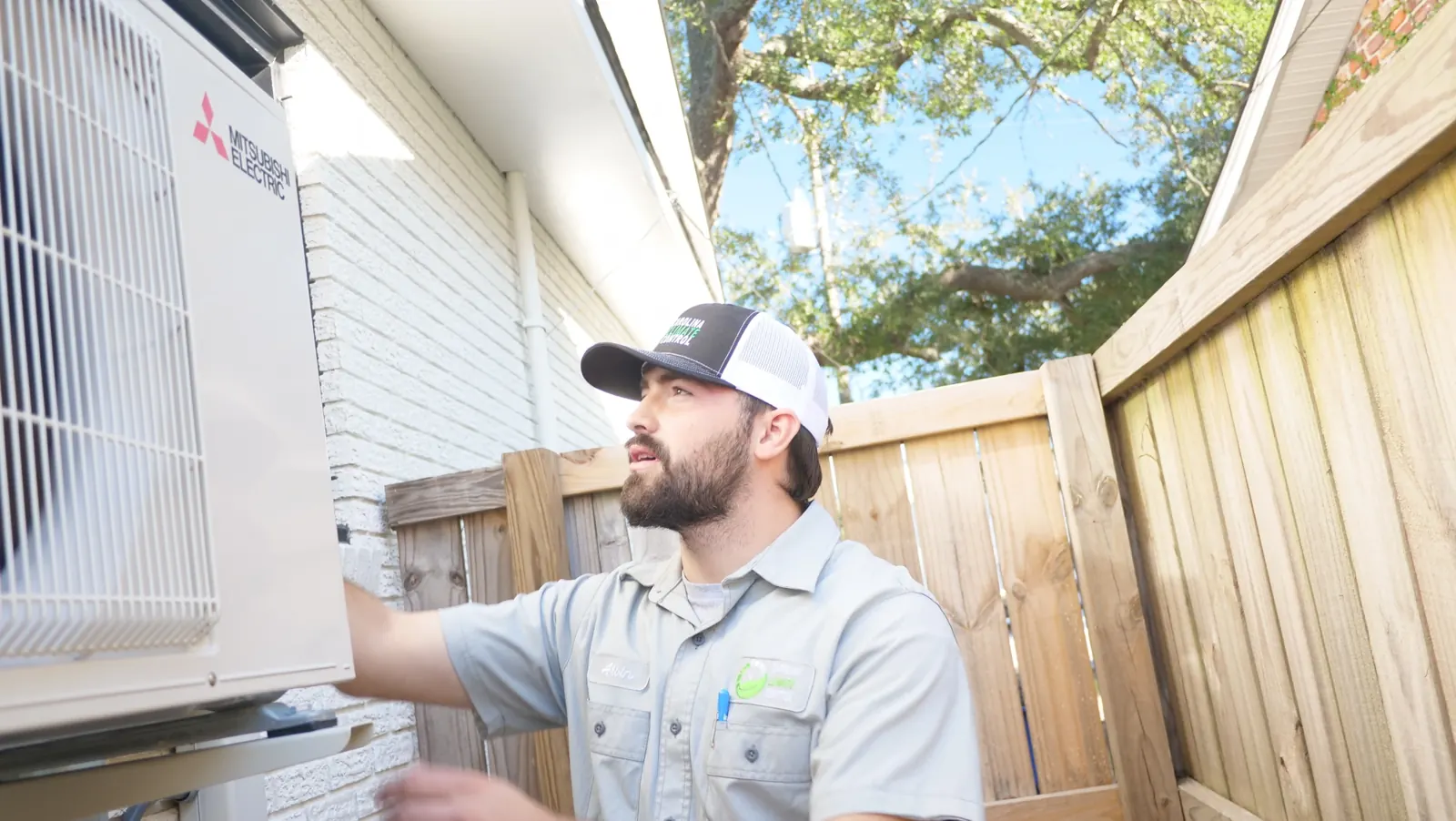
Kiawah has everything from villas and cottages to large custom homes, many raised above flood level with outdoor units on platforms and air handlers in attics or closets. Larger homes often have several systems or zones, and some rooms are well suited to ductless units. Corrosion protection, secure elevated mounting, good drainage and humidity-aware controls are central to a lasting installation on the island.
HVAC services for Kiawah Island homeowners
Carolina Climate Control provides AC Repair, Air Conditioning, AC Installation, AC Maintenance, Heat Pumps, Heat Pump Replacement, Ductless Mini-Splits, Heating, Indoor Air Quality, Duct Services, Generac Generators and The Moose Plan for homes throughout Kiawah Island. Whether your system needs a quick repair, a seasonal tune-up or a full replacement, our technicians explain your options in plain language and give you an upfront price before any work begins.
Kiawah Island neighborhoods we serve
We work with homeowners across Kiawah Island and Charleston County, including East Beach, West Beach, Vanderhorst, Freshfields Village area and Kiawah Island Parkway. Our shop at 1912 Belgrade Ave in Charleston has served Lowcountry homes since 2014.
HVAC tips for Kiawah Island homeowners
- Rinse outdoor coils with fresh water regularly and after major wind events.
- Ask about coastal-rated equipment or protective coil coatings when replacing an outdoor unit.
- Set a moderate temperature and humidity target rather than turning the system off when the home is empty.
- Have the system inspected after a tropical storm before running it hard.